Kasol – Tosh Parvati Valley Escape
Chandigarh → Bhuntar → Kasol → Manikaran → Chalal → Barshaini → Tosh → Kasol → Chandigarh
On Request
River rafting, riverside camps and Parvati Valley villages
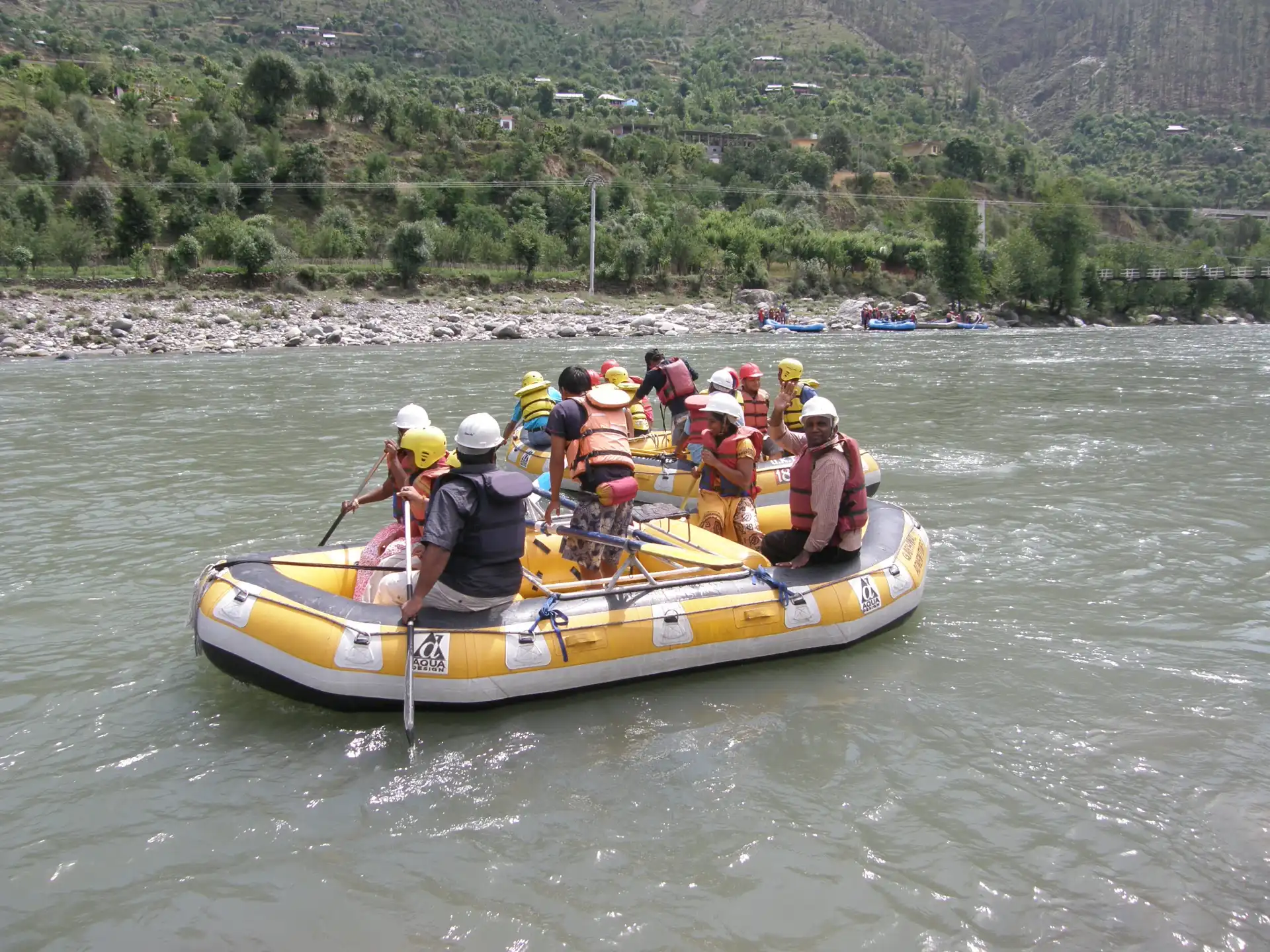
The Kullu Valley, often called the Valley of the Gods, follows the Beas river between Mandi and Manali. Kullu town, at roughly 1,200 metres, is the valley's market centre, known for its handwoven Kullu shawls, its colourful caps and the week-long Kullu Dussehra festival in October, when village deities are carried down to the Dhalpur ground. The stretch of river around Kullu is also the most popular place in Himachal for beginner-friendly white-water rafting.
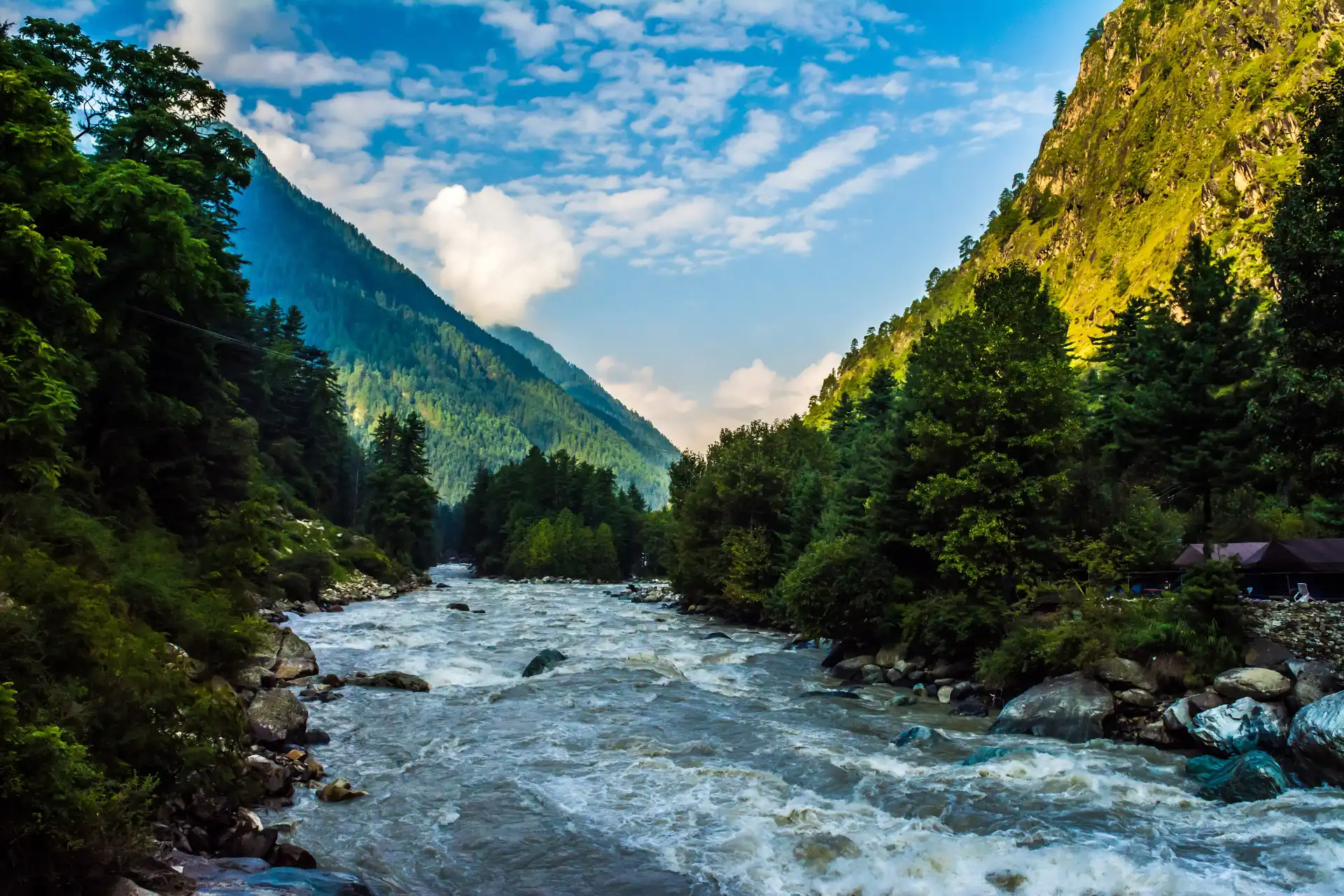
At Bhuntar, just south of Kullu, a side road turns east into the Parvati Valley. This narrower, wilder valley follows the Parvati river past pine forests, orchards and small villages. Kasol, at roughly 1,600 metres, is its best-known base: a relaxed riverside village with cafés, guesthouses and camps, popular with young travellers, students and groups of friends.
A few kilometres upstream lies Manikaran, an important pilgrimage site for both Sikhs and Hindus. Its gurudwara and Shiva temple stand beside steaming hot springs, and the gurudwara langar serves meals cooked partly in the natural heat. Further up the valley, the road ends near Barshaini. From here, short walks lead to the village of Tosh with its views of snowy peaks, while the longer trek to Kheerganga climbs to a meadow with a hot spring pool.
Across the river from Kasol, Chalal is reached by a pleasant forest walk, and the remote village of Malana is known for its ancient self-governing traditions; visitors there must respect strict local rules about touching homes and temples.
Many travellers add a night or two in Kasol to a Manali holiday, while groups of friends and students often come specifically for the valley. Our Kasol–Tosh tour covers the highlights at an easy pace, and we can add rafting in Kullu or riverside camping.
Summer (March–June): The best season for most visitors. Pleasant days, cool nights and good trekking weather. Rafting usually operates in this period, with the river livelier as snowmelt rises.
Monsoon (July–September): Heavy rain can cause landslides and flash floods along the Beas and Parvati. Rafting is typically suspended and treks become slippery. Not recommended unless your plans are flexible.
Autumn (October–November): Clear and comfortable, with the Kullu Dussehra festival in October. A very good time for Kheerganga and village walks.
Winter (December–February): Cold in Kasol and freezing higher up. Tosh and the upper villages may get snow, and many cafés close for the season. Kheerganga is not advisable in deep winter.
For a balanced trip with rafting, village walks and comfortable weather, aim for April to June or October.
By air: Bhuntar Airport is close to Kullu, around 10 km from town and around 30 km from Kasol, but flights are few and weather-dependent. Travellers from Pune and Mumbai usually fly to Chandigarh or Delhi and continue by road.
By train: Chandigarh and Kalka are the practical railheads. Kullu is roughly 250 km from Chandigarh, around 7–8 hours by road.
By road: Overnight Volvo buses from Delhi reach Bhuntar in roughly 11–13 hours, and some continue to Kasol. A private cab gives you more comfort, and our Chandigarh to Manali taxis can drop you at Kullu or Kasol on the way. Kasol is roughly 75 km from Manali, around 3 hours.
Within the Parvati Valley, local buses and shared taxis connect Bhuntar, Kasol, Manikaran and Barshaini, but a private cab saves a great deal of time.

About 4–5 km from Kasol
A gurudwara and temple complex beside hot springs, sacred to Sikhs and Hindus alike.
About 2 km on foot from Kasol
A small village across the Parvati, reached by a gentle riverside walk through pine forest.
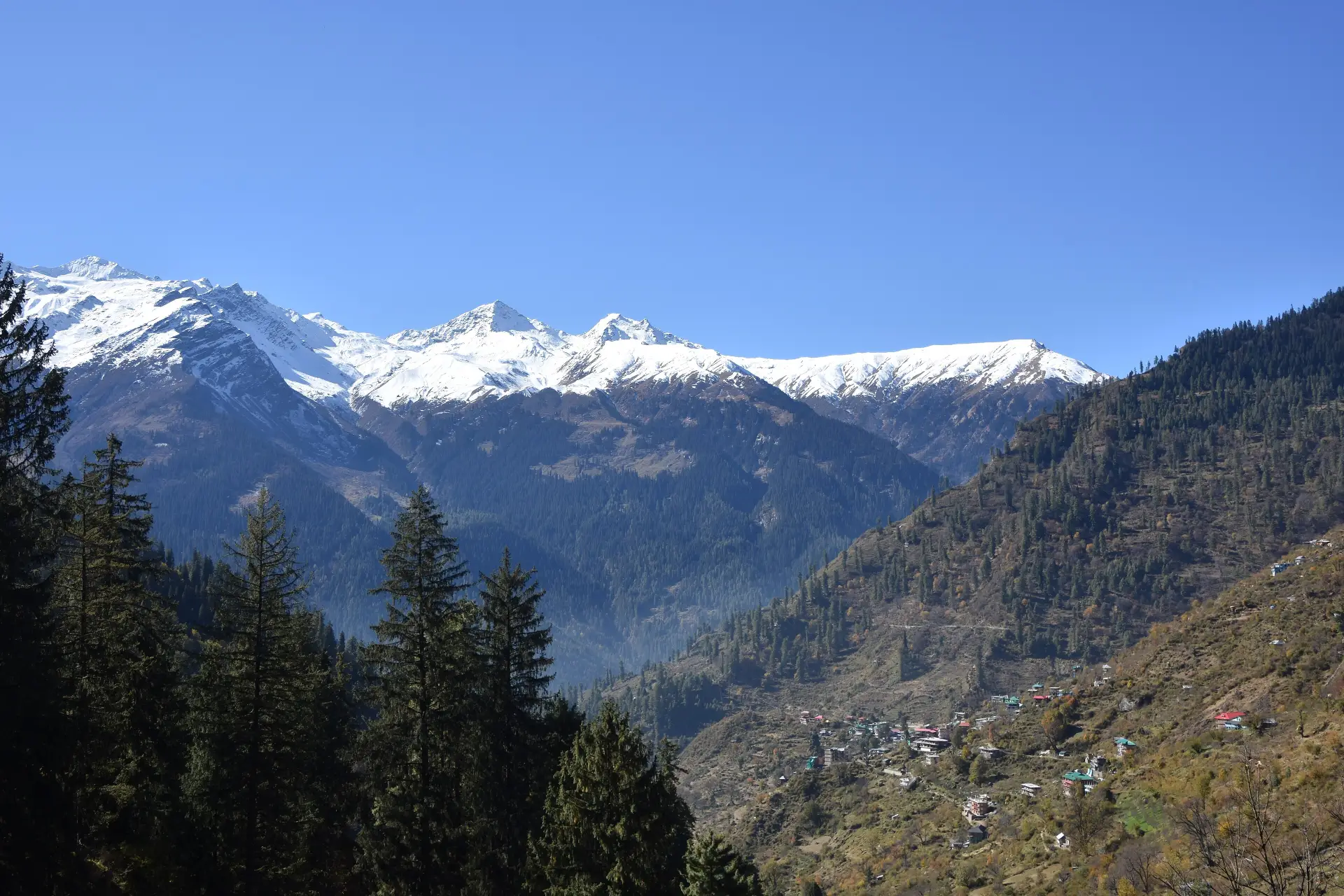
Around 20 km from Kasol
A terraced village high above the river with snow peaks on the skyline.
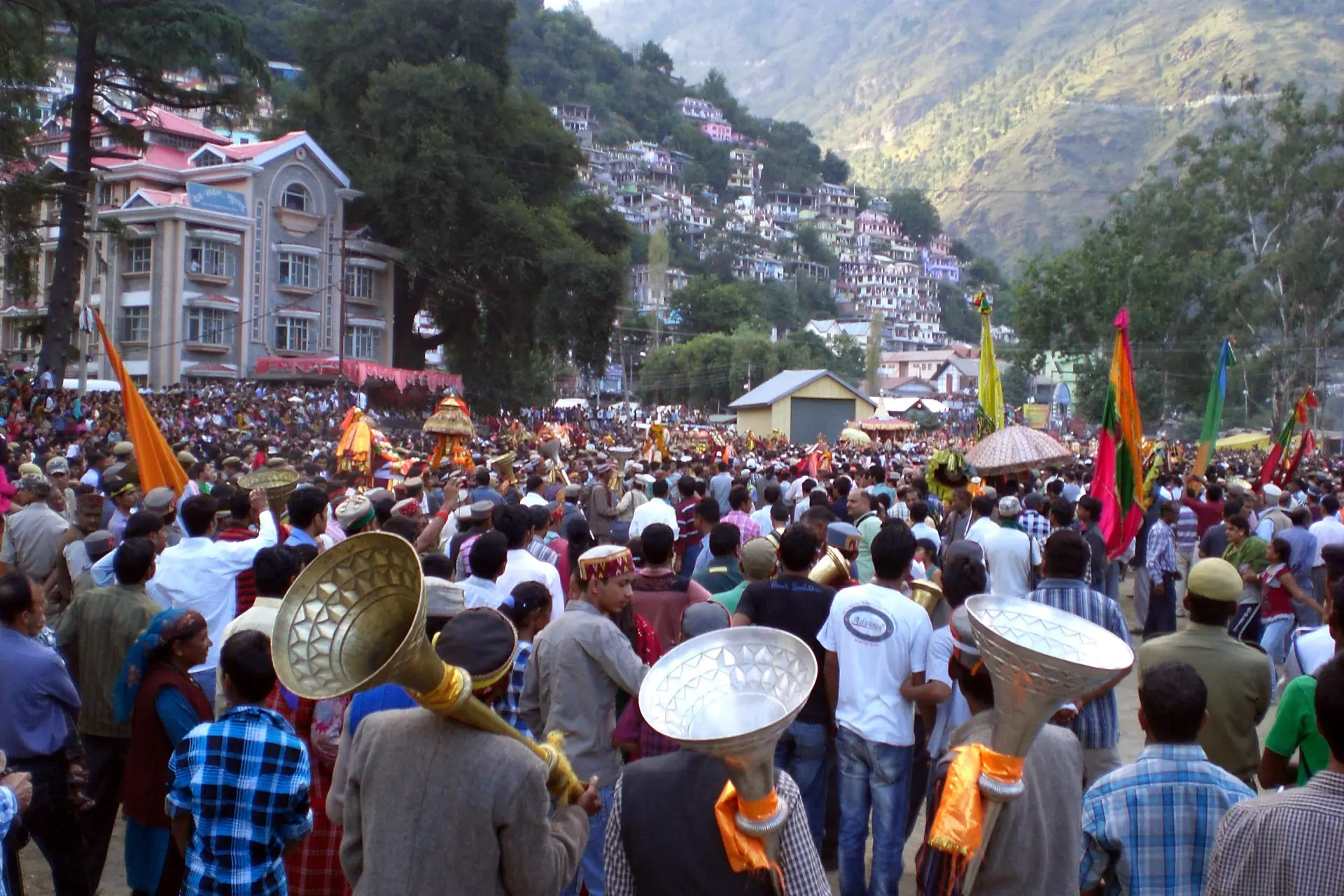
In Kullu town
The open ground in Kullu town where the famous Dussehra fair is held every October.
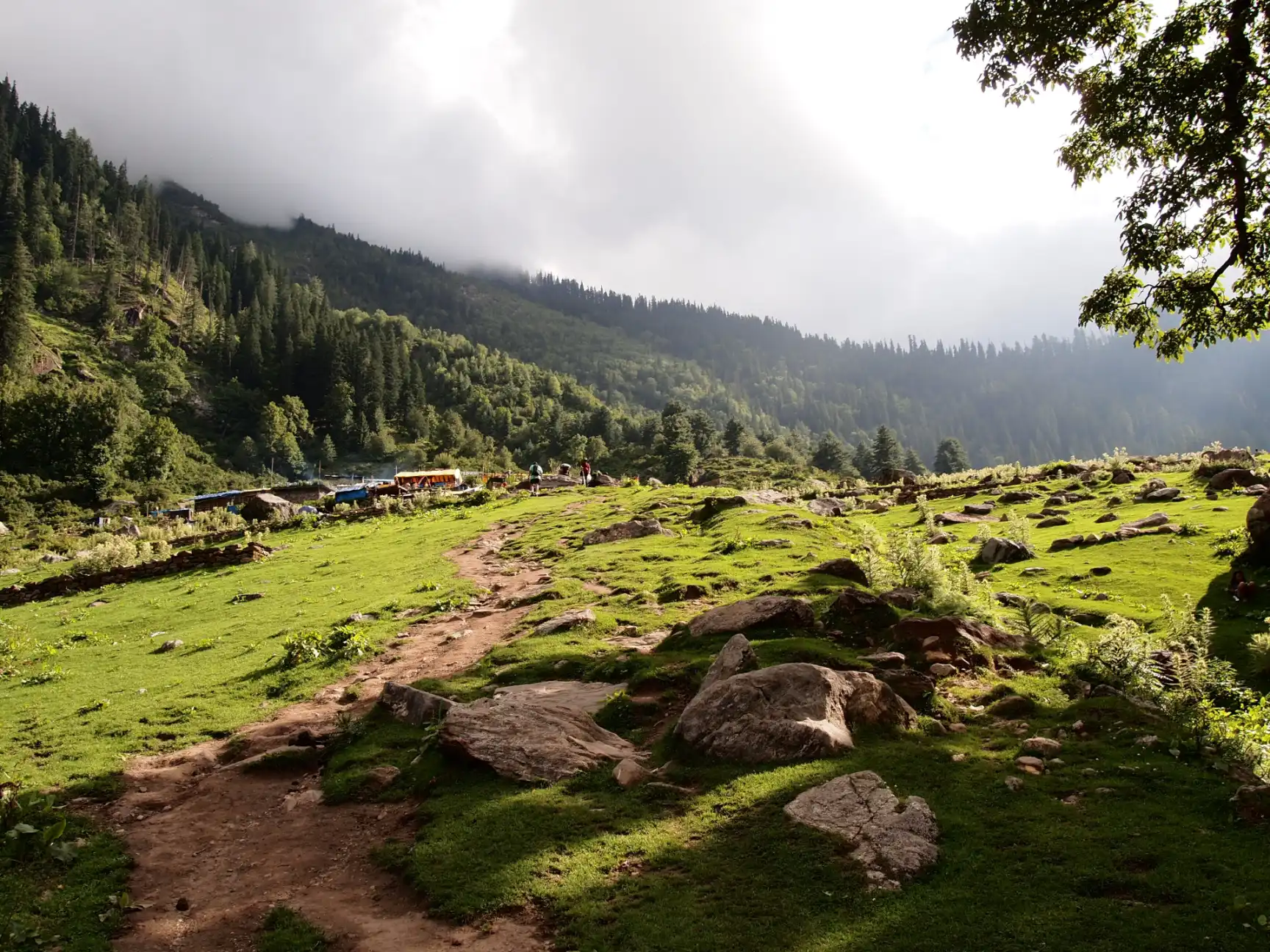
Starts near Barshaini, around 15 km from Kasol
A popular hike of several hours to a high meadow with a natural hot spring.

Near Kullu town
A guided white-water run on a beginner-friendly section of the river.
Chandigarh → Bhuntar → Kasol → Manikaran → Chalal → Barshaini → Tosh → Kasol → Chandigarh
From easy day hikes like Triund and Kheerganga to the high crossing of Hampta Pass, Himachal has a trek for every fitness level and season.
White-water rafting on the Beas near Kullu, on the popular Pirdi–Jhiri stretch, with trained guides and gentle-to-lively rapids suited to first-timers.
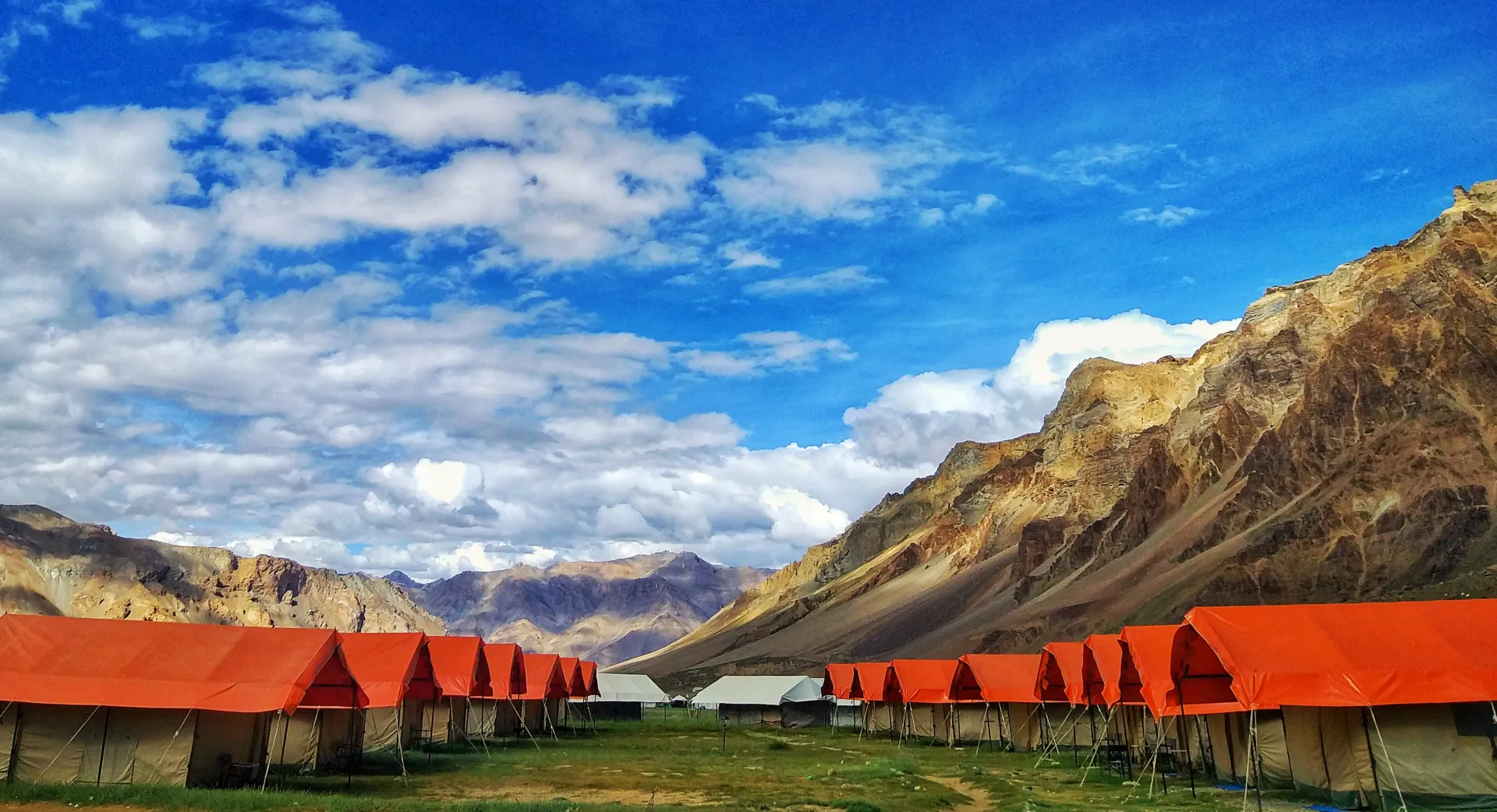
Sleep under the stars at riverside and lakeside camps in Sissu, Jispa, Chandratal, Kasol, Nubra and Pangong, with comfortable tents and meals.

Sky Bound Travels Assistant
Usually replies in minutes