Spiti Valley Circuit
Chandigarh → Shimla → Sangla → Chitkul → Kalpa → Nako → Tabo → Dhankar → Kaza → Chandratal → Kunzum Pass → Manali → Chandigarh
On Request
A high-altitude cold desert of monasteries and stark peaks
Spiti, whose name is often explained as the middle land, lies between India and Tibet in the rain shadow of the Great Himalaya. It is a high, dry valley of brown and ochre mountains, wide river beds and whitewashed villages clinging to cliffs. Kaza, the main town, sits at around 3,800 metres, and many villages are higher still. For travellers who love open landscapes, quiet and culture, few places in India are as rewarding.
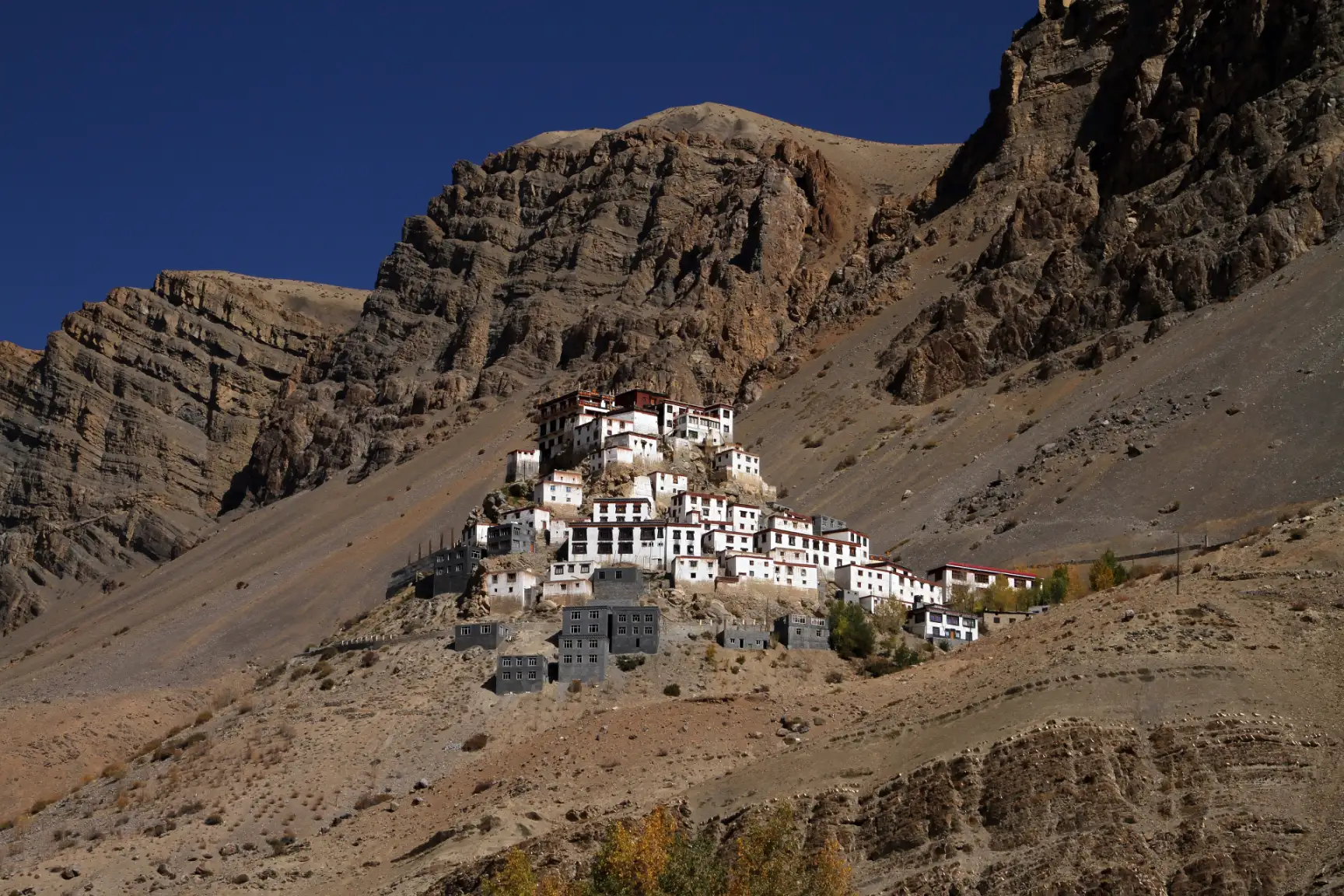
Buddhism shapes daily life here. Key Monastery rises above the Spiti river like a fortress; Tabo Monastery, founded in the late tenth century, holds murals and clay sculptures of rare age; and Dhankar Monastery is perched dramatically on a crumbling ridge above the confluence of the Spiti and Pin rivers. Small villages such as Langza, known for its fossils and large Buddha statue, Hikkim, with its famous high-altitude post office, and Komic give a feel of life at the edge of the habitable world. Kibber and the Chicham bridge sit high above deep gorges.
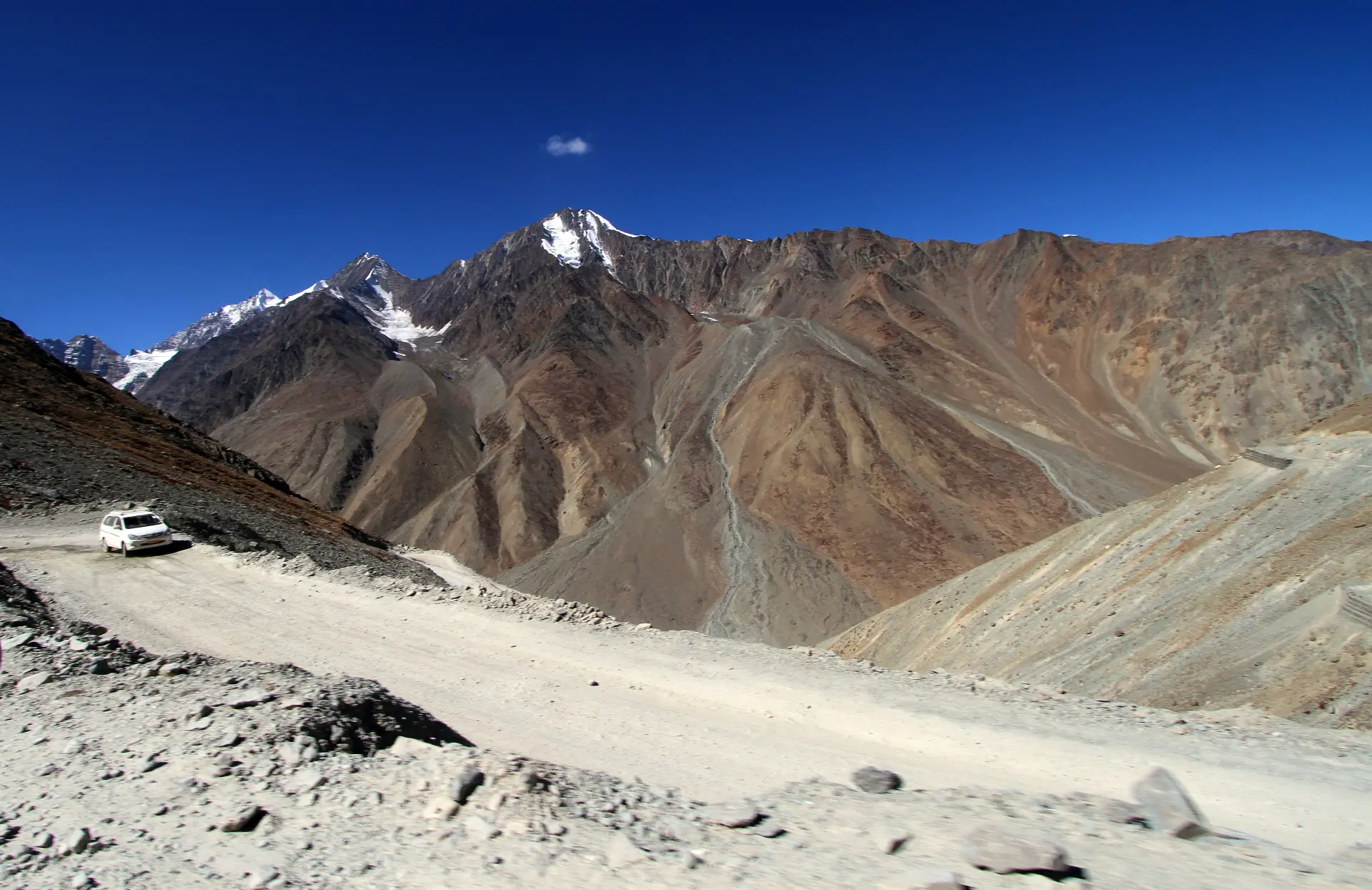
There are two ways in, and they shape every Spiti trip. The Manali side crosses Atal Tunnel, Batal and the Kunzum Pass at roughly 4,550 metres; it opens only in summer, usually from around June to October, and also leads to the stunning Chandratal lake. The Shimla side runs through Kinnaur along the Sutlej and enters Spiti at Sumdo; it stays open for much more of the year, subject to snow and landslides, and its gradual climb is far better for acclimatisation.
That is why our Spiti Circuit and Kinnaur–Spiti tour enter from Shimla and exit via Kunzum to Manali when the pass is open. Roads are rough in places and facilities are basic, so an experienced driver and well-planned stops matter. Our Spiti Valley travel guide has more detail, and you can pair the trip with a jeep safari.
Summer (May–June): The Shimla–Kinnaur route is usually open and the Kunzum side tends to open around June after snow clearance. Days are sunny and pleasant, nights are cold.
Monsoon (July–September): Spiti itself gets little rain, which makes it a good monsoon escape. However, landslides can affect the approach roads, especially in Kinnaur and around the Manali side. The full circuit is usually possible with buffer days.
Autumn (late September–October): Clear skies, golden poplars and fewer visitors. Kunzum normally closes with the first heavy snow, often by late October or November.
Winter (November–April): Extremely cold, with temperatures well below freezing. Only the Shimla–Kinnaur route can be used, and even that can close after snowfall. Winter trips are for prepared travellers with experienced local support.
Via Shimla and Kinnaur: Fly from Pune or Mumbai to Chandigarh, drive to Shimla and continue through Kinnaur. Kaza is roughly 400–420 km from Shimla, usually split over two or three days with nights at Sangla, Kalpa or Nako. This route is open for most of the year.
Via Manali: Kaza is roughly 200 km from Manali over Atal Tunnel and Kunzum Pass, around 8–10 hours on a rough road. This side is usually open only from around June to October.
By air and rail: Chandigarh is the most convenient airport for both routes; Bhuntar near Kullu is closer to the Manali side but has limited flights. Kalka and Chandigarh are the nearest railheads, with overnight trains from Delhi.
Whichever route you choose, a sturdy vehicle and a driver who knows these mountain roads well are essential.

About 14 km from Kaza
A hilltop monastery that looks like a fortress, home to monks and a collection of old murals and scriptures.
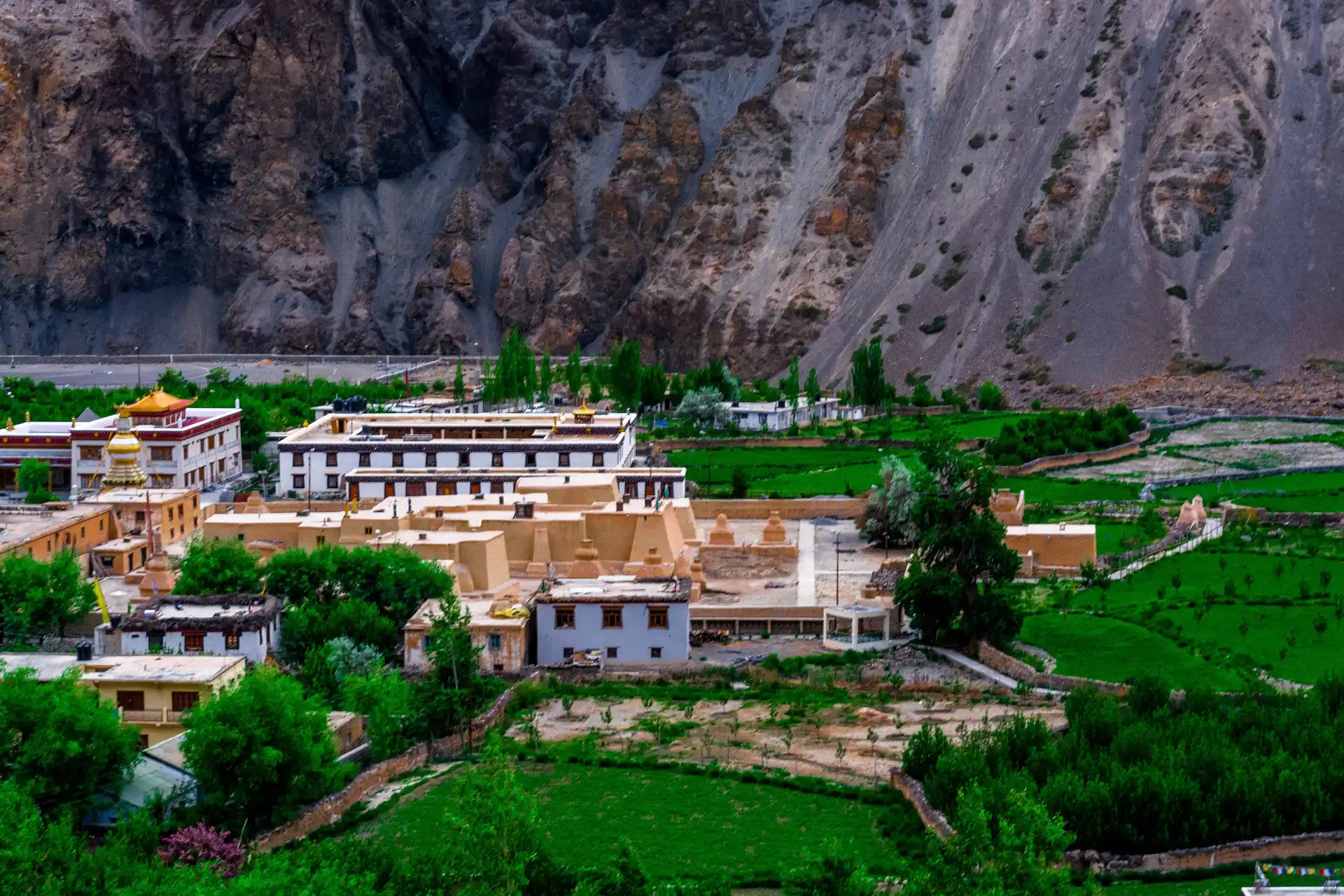
Around 45–50 km from Kaza
A mud-walled monastery complex founded over a thousand years ago, with remarkable painted interiors.

Around 30–35 km from Kaza
A dramatic monastery perched on a ridge above the meeting of the Spiti and Pin rivers.
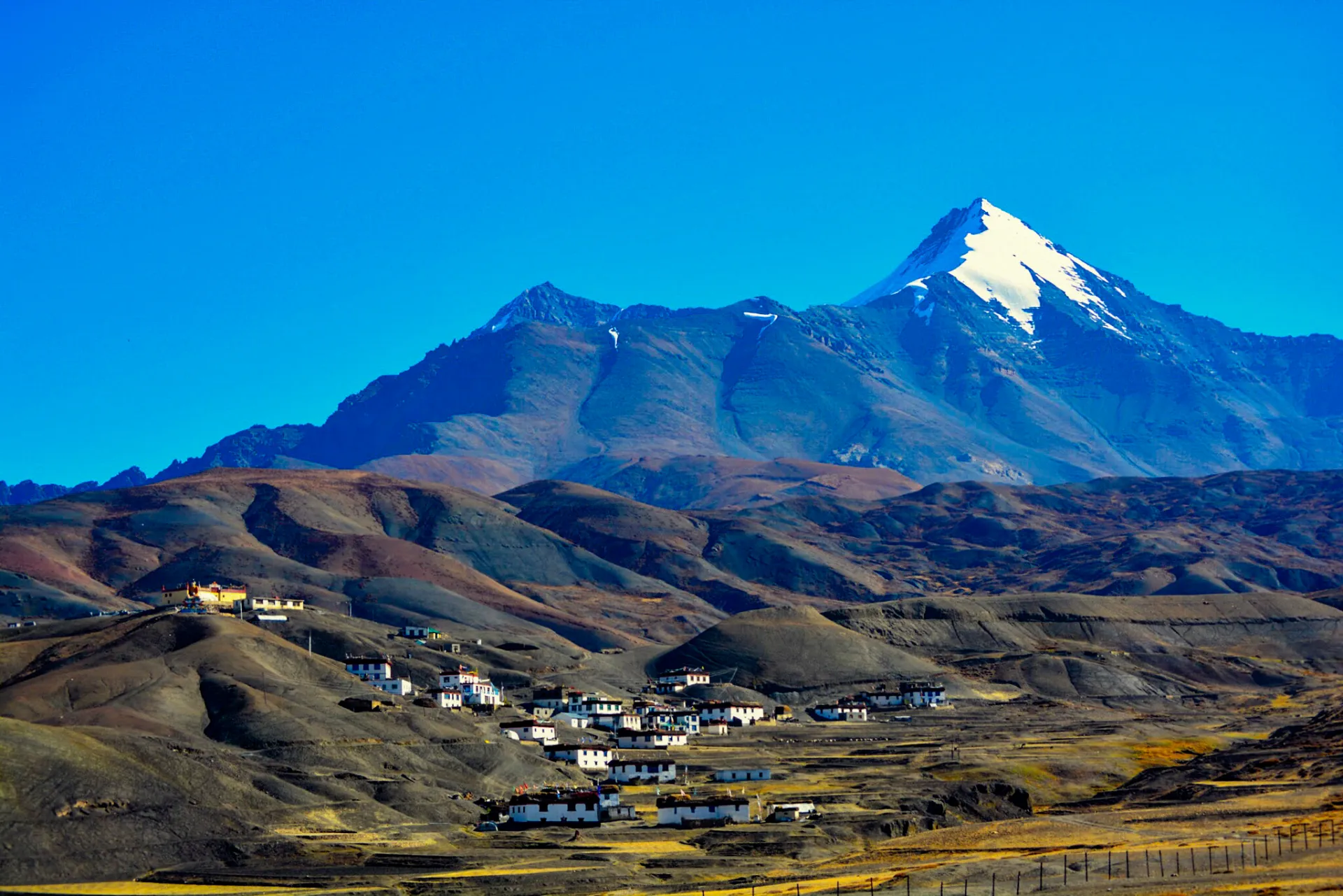
Around 15–18 km from Kaza
A high village known for marine fossils and a large Buddha statue overlooking the valley.

Off the Kunzum road, roughly 4–5 hours from Kaza
A crescent-shaped high lake near Kunzum Pass, accessible only when the Manali side is open.

Villages around Kaza
Stay with a local family, share simple meals and see daily life in a traditional mud-brick home.
Chandigarh → Shimla → Sangla → Chitkul → Kalpa → Nako → Tabo → Dhankar → Kaza → Chandratal → Kunzum Pass → Manali → Chandigarh
Chandigarh → Shimla → Sangla → Chitkul → Kalpa → Nako → Tabo → Dhankar → Kaza → Chandratal → Kunzum Pass → Manali → Chandigarh
Multi-day jeep safaris through the high deserts of Spiti and Ladakh, crossing high passes to monasteries, villages and turquoise lakes.
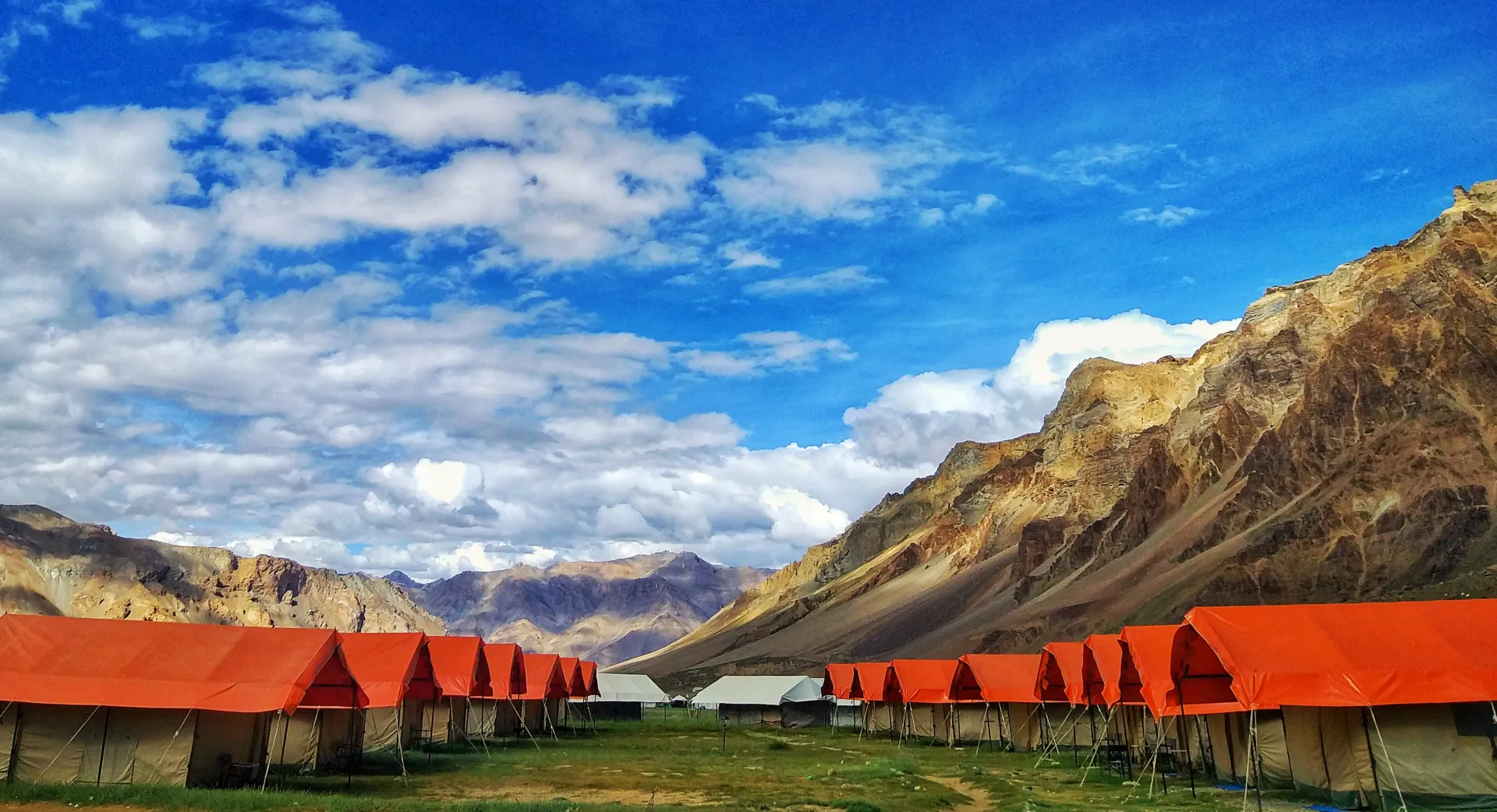
Sleep under the stars at riverside and lakeside camps in Sissu, Jispa, Chandratal, Kasol, Nubra and Pangong, with comfortable tents and meals.

Sky Bound Travels Assistant
Usually replies in minutes